
Dog Digestive Health 101: Why Probiotics Matter
Watching your dog struggle with tummy troubles breaks your heart. Loose stools, constant gas, or sudden bouts of diarrhea can leave you worried and searching for answers. As a devoted pet parent, you want your furry friend to feel happy, energetic, and comfortable every day. That’s where understanding dog digestive health comes in, and probiotics for dogs play a starring role in keeping their gut balanced and strong.
This complete guide explains everything about canine gut health, the power of probiotics, and simple steps to support your dog’s digestion. You’ll walk away feeling empowered to help your pup thrive.
What Is Dog Digestive Health?
Your dog’s digestive system is like a busy highway. Food travels from mouth to stomach, through the intestines, breaking down into nutrients for energy, growth, and a shiny coat. Trillions of good bacteria (the gut microbiome) live in their intestines, helping digest food, fight bad bacteria, and support immunity.
When this balance tips, like from stress, antibiotics, or poor diet, dog digestive issues arise. Probiotics restore harmony by adding friendly bacteria, promoting healthy dog gut flora.
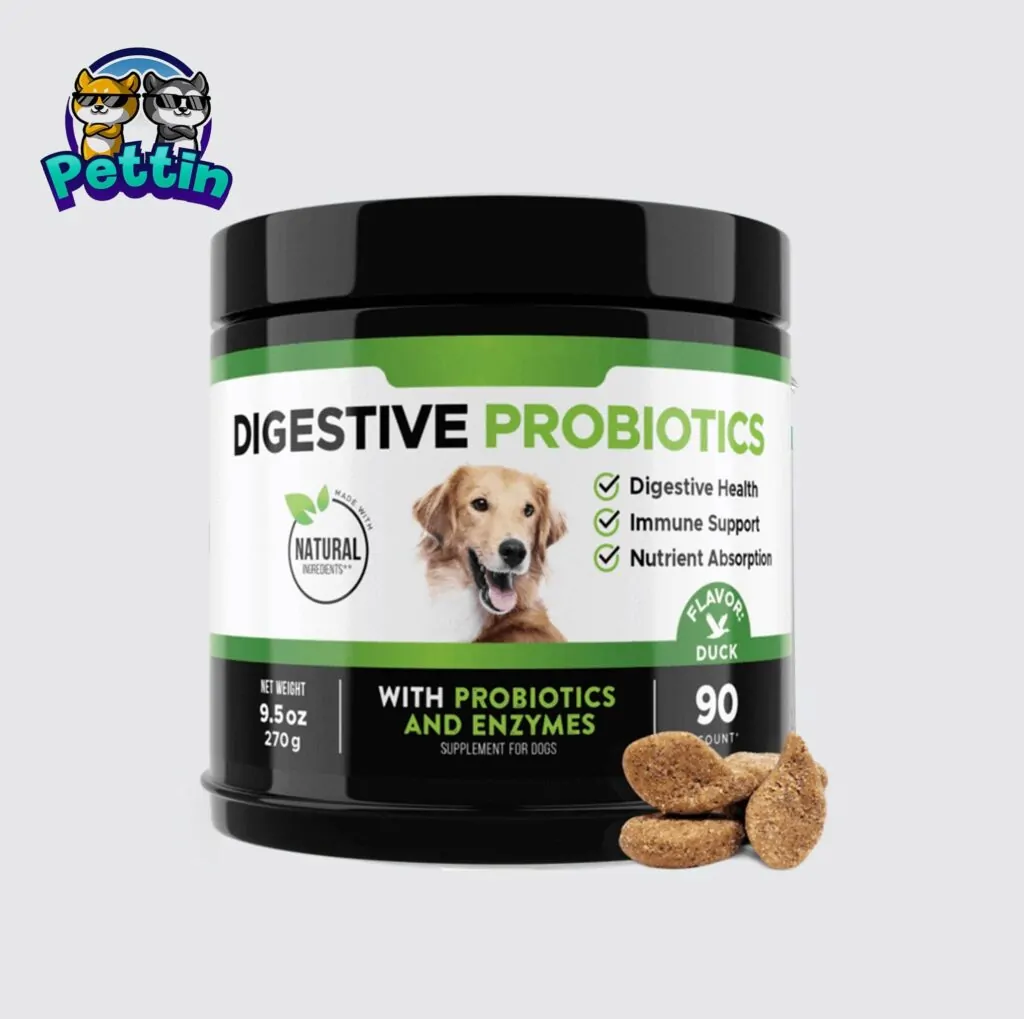
Common Digestive Problems in Dogs
Gut woes affect dogs of all ages and breeds. Here’s what to watch for:
- Diarrhea: Loose, frequent stools from infections, diet changes, or stress.
- Constipation: Hard stools or straining, often from low-fiber diets.
- Gas and Bloating: Excessive flatulence signaling bacterial imbalance.
- Vomiting: Occasional is normal; frequent points to deeper issues.
- Food Sensitivities: Itchy skin, ear infections, or loose stools after meals.
- Inflammatory Bowel Disease (IBD): Chronic inflammation causing weight loss.
Puppies, seniors, and breeds like Bulldogs or Frenchies are more prone.
Signs Your Dog Needs Digestive Support
Spot these dog digestive health symptoms early:
- Stool Changes: Loose, mucousy, or bloody stools.
- Appetite Shifts: Refusing food or scarfing too fast.
- Behavioral Clues: Licking paws excessively, restlessness, or whining.
- Weight Loss: Despite normal eating.
- Lethargy: Less playtime or enthusiasm.
- Bad Breath or Coat Issues: Signs of poor nutrient absorption.
If symptoms last over 24-48 hours, see your vet right away.
Checklist: When to Call the Vet
- Blood in stool or vomit
- Severe dehydration (dry gums, sunken eyes)
- Persistent diarrhea >2 days
- Sudden weight loss
- Pain when touched on belly
Why Probiotics Matter for Dogs
Probiotics are live “good” bacteria that crowd out harmful ones, much like planting flowers to choke weeds in a garden. Studies show they reduce diarrhea duration by up to 50% in dogs on antibiotics and ease stress-related tummy upset.
They’re not a cure-all but a supportive tool for dog gut health probiotics benefits, especially during life changes like boarding or new food.
How Probiotics Work in a Dog’s Gut
Probiotics travel to the intestines, multiplying and producing short-chain fatty acids. These:
- Strengthen gut lining to block toxins.
- Boost nutrient absorption (like calcium and iron).
- Lower gut pH to inhibit bad bacteria like Salmonella.
- Signal the immune system for better defense.
Example: A dog on antibiotics loses good bacteria. Probiotics repopulate, shortening recovery time.Always consult your vet before starting probiotics, especially for puppies, pregnant dogs, or those with health conditions.
Benefits of Probiotics for Dog Digestive Health
Probiotics offer wide-reaching perks beyond the gut:
- Faster Diarrhea Relief: Cuts episodes by 1-2 days.
- Better Immunity: Fewer infections and allergies.
- Reduced Anxiety: Mood boost via gut-brain axis.
- Skin & Coat Health: Less itching from food sensitivities.
- Weight Management: Improves metabolism.
- Urinary Tract Support: Balances bacteria to prevent UTIs.
Real Parent Story: “My rescue pup had chronic loose stools. After 2 weeks on probiotics, her tummy settled, and she’s playful again!”
When to Give Your Dog Probiotics
Ideal times for dog probiotics for digestive health:
- After antibiotics (start same day).
- During diet transitions (mix gradually over 7-10 days).
- Stress periods: Travel, fireworks, new home.
- Chronic issues: IBD or recurring diarrhea.
- Preventive: Daily for seniors or sensitive pups.
Dosage Tip: Follow label or vet advice—typically 1/2 to 1 pump daily based on weight.
How to Choose the Right Probiotics
Pick wisely with this guide:
- CFU Count: 1-5 billion for small dogs; 5-10+ for large.
- Strain Specificity: Named strains (e.g., L. reuteri) over generics.
- Storage: Refrigerated for live cultures.
- Third-Party Tested: USP or NASC seals for purity.
- Prebiotics Added: Feed good bacteria (e.g., inulin).
- Dog-Formulated: Avoid human products.
Avoid if your dog has pancreatitis, check with vet.
Natural Ways to Boost Dog Gut Health
Support probiotics with lifestyle tweaks:
- High-Quality Diet: Novel proteins, limited ingredients.
- Fiber-Rich Foods: Pumpkin (1-2 tsp daily), sweet potato.
- Hydration: Fresh water; bone broth for flavor.
- Exercise: 20-30 min walks aid motility.
- Stress Reduction: Routine, calming toys, pheromone diffusers.
Probiotic-Rich Foods (small amounts):
- Plain yogurt (live cultures)
- Kefir
- Fermented veggies (carrots)
Summary Box: Probiotics Essentials
| Key Aspect | Actionable Tips |
| Top Signs | Diarrhea, gas, poor appetite, itchy skin |
| Best Strains | Lactobacillus, Bifidobacterium, Enterococcus |
| Daily Dose | 1-10 billion CFUs; vet-approved |
| Combine With | Quality diet, exercise, stress relief |
| When to Expect Results | 7-14 days for noticeable improvement |
Conclusion
Your dog’s digestive health powers their whole-body happiness. By understanding why probiotics matter for dog gut health and pairing them with smart habits, you give your pup the gift of comfort and vitality. You’re not alone, millions of pet parents face these challenges, and simple steps like probiotics make a big difference. Chat with your vet today, celebrate small wins, and watch your dog wag with joy.
Frequently Asked Questions (FAQs)
Q1: Are probiotics safe for all dogs?
A: Generally yes, but consult your vet for puppies, seniors, or dogs with illnesses.
Q2: How long until I see results from dog probiotics?
A: Most notice firmer stools in 3-7 days; full benefits in 2-4 weeks.
Q3: Can I give human probiotics to my dog?
A: No—strains and doses differ. Stick to dog-specific formulas.
Q4: Do probiotics help with dog allergies?
A: Yes, by balancing gut bacteria linked to skin issues.
Q5: What’s the difference between probiotics and prebiotics?
A: Probiotics are live bacteria; prebiotics are their food (fibers).
Q6: Can probiotics prevent diarrhea during travel?
A: Absolutely—start 3-5 days before for stress protection.
Q7: Are there side effects?
A: Rare mild gas initially; stop if severe and call vet.