
Joint Health for Dogs: Complete Guide to Mobility, Pain Relief & Prevention
Caring for your dog is a journey filled with love, joy, and responsibility. One of the most important aspects of that care, especially as our furry friends age, is maintaining their joint health. Joint issues can affect your dog’s mobility, comfort, and overall happiness. Understanding how to support your dog’s joints can help prevent pain, improve mobility, and keep your companion lively for years to come.
What Are Dog Joints and Why Are They Important?
Joints connect your dog’s bones, allowing smooth and flexible movement. Cartilage serves as a cushion at the ends of bones, while synovial fluid lubricates to reduce friction. Healthy joints are essential for running, jumping, walking, and playing, all vital parts of a dog’s active life.
Common Joint Problems in Dogs
- Arthritis: The most common joint condition causing inflammation and pain.
- Hip Dysplasia: Common in large breeds, a malformation causing hip joint issues.
- Elbow Dysplasia: Similar to hip dysplasia, affecting the elbow joint.
- Cruciate Ligament Injuries: Injuries leading to instability and pain in the knee.
Breeds like Great Danes, Boxers, and German Shepherds are more prone to joint problems.
Signs and Symptoms of Joint Pain
Watch out for these signs that might indicate joint discomfort:
- Limping or favoring a leg
- Stiffness, especially after rest
- Difficulty climbing stairs or jumping
- Reduced activity or reluctance to move
- Swollen or tender joints
- Behavioral changes like irritability or withdrawal
Early recognition helps in timely treatment, improving quality of life.
Causes and Risk Factors
Joint problems commonly arise due to:
- Aging and wear and tear of joint tissues
- Genetic predisposition in certain breeds
- Excess weight putting strain on joints
- Injury or trauma to joints
- Lack of proper exercise or obesity
How to Support and Improve Joint Health
Maintaining joint health involves a multi-faceted approach:
- Provide a balanced diet rich in anti-inflammatory nutrients (like omega-3 fatty acids).
- Keep your dog at a healthy weight to reduce joint strain.
- Offer regular, controlled exercise such as leash walks and swimming.
- Avoid excessive jumping or running on hard surfaces.
- Schedule regular veterinary check-ups for early detection.
The Role of Supplements in Joint Care
Joint supplements can promote cartilage repair, reduce inflammation, and improve joint lubrication. Key ingredients to look for include:
- Glucosamine: Supports cartilage health.
- Chondroitin: Helps maintain cartilage elasticity.
- Green-lipped mussel extract: Natural anti-inflammatory properties.
- Hyaluronic acid: Aids in joint lubrication.
- Antioxidants (Vitamin E, C): Combat oxidative stress on joints.
Proper supplementation, combined with diet and exercise, supports long-term joint health.
Exercise and Weight Management for Healthy Joints
Physical activity strengthens muscles that support joints and helps maintain flexibility. Ideal exercises for joint health include:
- Gentle leash walks
- Swimming (low impact on joints)
- Interactive play in safe, soft areas
Managing your dog’s weight is equally crucial. Extra pounds increase pressure on joints and accelerate wear.
Preventing Joint Problems in Dogs
Prevention is better than cure:
- Feed high-quality, balanced nutrition from puppyhood.
- Avoid rapid weight gain or obesity.
- Provide age and breed-appropriate exercise routines.
- Regular vet visits for joint screenings, especially in predisposed breeds.
- Consider early supplementation under veterinary guidance.
Summary Box: Joint Health Essentials for Dogs
| Aspect | Key Points |
| Symptoms to Watch For | Limping, stiffness, reluctance to play, swelling |
| Risk Factors | Breed, age, weight, injury |
| Diet and Supplements | Omega-3, glucosamine, chondroitin, natural anti-inflammatories |
| Exercise | Low-impact activities: walking, swimming, mental stimulation |
| Vet Care | Early diagnosis and regular joint assessments |
A Gentle Word on Supportive Supplements
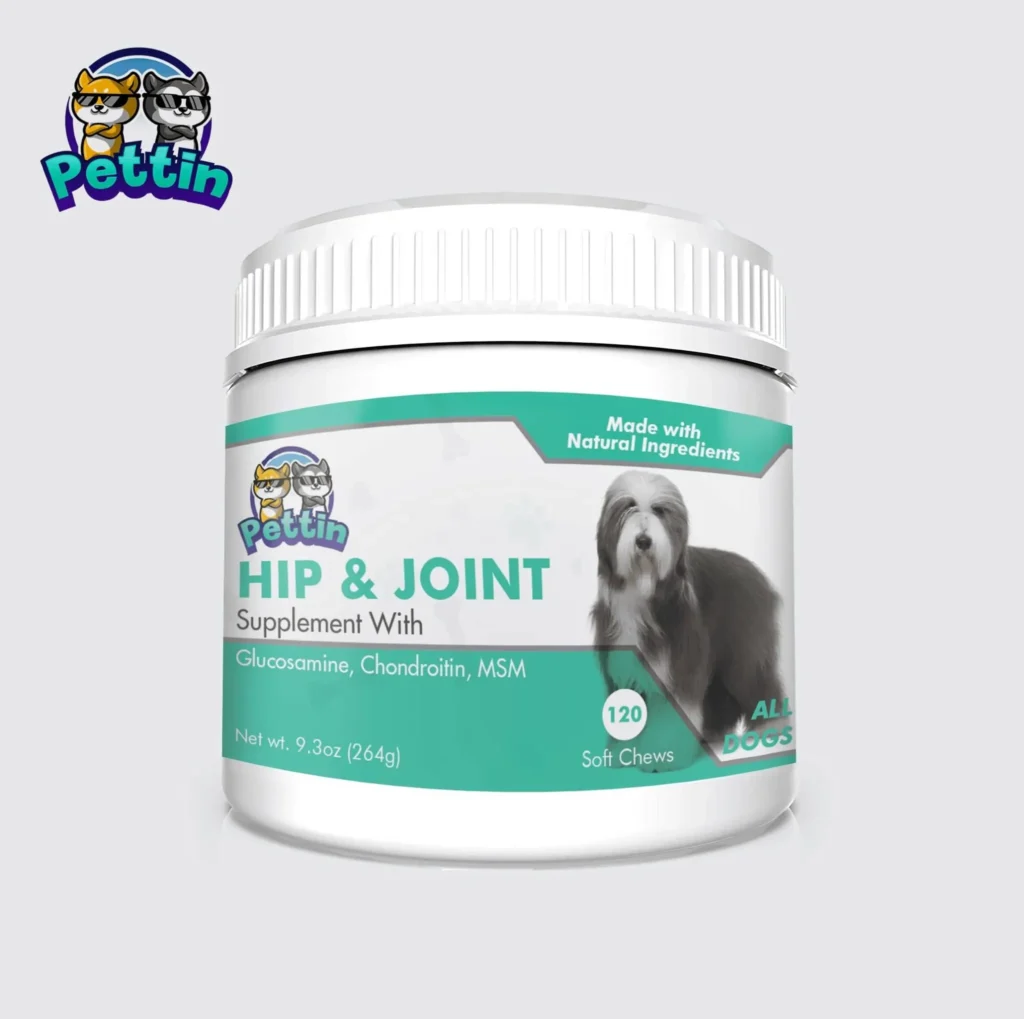
Many pet parents also use Pettin’s Joint Support Formula, which includes natural ingredients like glucosamine, chondroitin, and anti-inflammatory herbs, to help maintain their dog’s joint mobility and comfort. These supplements can be a safe, supportive addition to a balanced diet and lifestyle.
Conclusion
Supporting your dog’s joint health is essential for their happiness and quality of life. By recognizing early symptoms, adopting preventive care with exercise and nutrition, and considering safe supplements, you can help your furry friend stay active and pain-free for years. Always consult your veterinarian before introducing new treatments or supplements. Together, you can give your dog the gift of comfortable, joyful movement every day.
Frequently Asked Questions (FAQs)
Q1: When should I start giving joint supplements to my dog?
It depends on your dog’s breed, age, and health. Some vets recommend starting supplements early in large breeds or those prone to joint issues.
Q2: Can exercise really help with joint pain?
Yes! Appropriate exercise strengthens supporting muscles and improves joint flexibility but avoid high-impact activities that may worsen pain.
Q3: Are joint problems painful for dogs?
Dogs can experience significant discomfort from joint conditions like arthritis. Early intervention helps reduce pain and improves mobility.
Q4: Are natural remedies effective for joint health?
Many natural ingredients in supplements (like green-lipped mussel) have proven anti-inflammatory properties but consult your vet for safe options.
Q5: Can weight loss reverse joint damage?
Weight loss reduces stress on joints and can improve symptoms but may not reverse existing joint damage completely.
Q6: How do I know if my dog has joint problems?
Notice changes in activity level, limping, stiffness, and behavior. Seek veterinary advice for an accurate diagnosis.