
12 Superfoods to Boost Your Dog’s Joint Health
Key Takeaways:
- Natural superfoods can improve your dog’s joint health and overall well-being
- Combining superfoods with high-quality supplements enhances their effectiveness for joint support
- Always consult with your veterinarian before making big changes to your dog’s diet
- Introduce new foods slowly into your dog’s meals to avoid upset tummies
- Regular exercise and keeping a healthy weight are important for good joint health
- A balanced approach combining diet, supplements, and lifestyle changes works best
Is your dog moving slower or seeming uncomfortable? Don’t worry! We’ve made a list of 12 amazing superfoods that can help keep your dog’s joints healthy and pain-free. These natural foods are full of important nutrients that support joint health, reduce swelling, and help your dog feel good overall. Let’s look at these joint-helping superfoods!
1. Turmeric: A Golden Helper
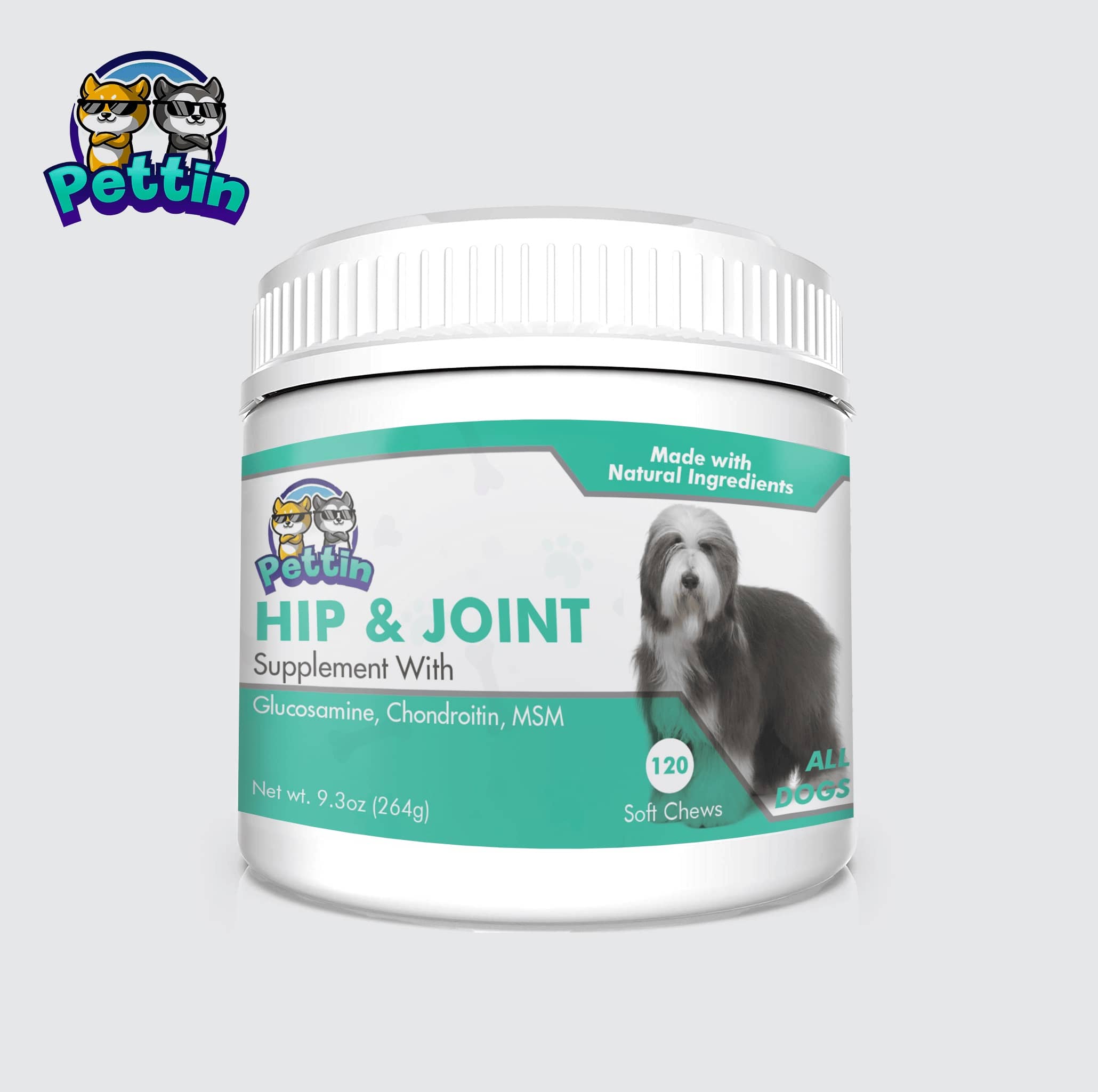
Turmeric is like a superhero for your dog’s joints. This bright yellow spice is known for fighting swelling, thanks to something called curcumin. Our Pettin Hip & Joint Supplement for Dogs uses turmeric to help keep your dog’s joints feeling good. Turmeric can help reduce joint pain and stiffness, making it easier for your dog to move around.
Here’s why turmeric is great for your dog:
- It reduces joint swelling
- Helps keep joints healthy and flexible
- Boosts your dog’s immune system
- Protects cells from damage
- Might help prevent some types of cancer
Read our full guide on turmeric benefits for dogs to learn more about this amazing superfood and how to safely add it to your dog’s diet!
2. Bone Broth: Tasty Joint Support
Bone broth is like a yummy soup full of things that help your dog’s joints. It has glucosamine, chondroitin, and collagen – all important for keeping joints and cartilage healthy. These nutrients help joints move smoothly and stay flexible. Adding bone broth to your dog’s food can help in many ways:
- Makes joints move easier by keeping them lubricated
- Helps repair and rebuild joints
- Gives your dog lots of easy-to-absorb nutrients
- Boosts immune system and gut health
- Helps picky eaters stay hydrated and interested in food
You can make bone broth at home using safe ingredients for dogs or buy it from pet stores. If you make it at home, don’t use onions, garlic, or too much salt, as these can be bad for dogs. Start with small amounts and slowly give more to let your dog’s tummy get used to it.
3. Blueberries: Small Berries with Big Benefits
Blueberries aren’t just tasty – they’re super healthy for your dog! These little berries are packed with antioxidants, which help fight swelling in your dog’s body, including their joints. Blueberries can really help improve your dog’s joint health and ability to move. Here’s what blueberries offer:
- Lots of vitamins C and E, which are good for overall health
- Manganese for healthy bones, joints, and tissues
- Fiber to help with digestion
- Low in calories, making them a good treat for dogs watching their weight
- Help support brain health in older dogs
You can give your dog a few fresh or frozen blueberries as a treat or mix them into their food. Always start with small amounts of new foods to avoid upsetting your dog’s stomach. Remember, while blueberries are safe for most dogs, give them in amounts that fit your dog’s size and diet.
4. Salmon: Full of Omega-3s
Salmon is great for your dog’s joints and overall health. It has lots of omega-3 fatty acids, which are really good at reducing swelling. Adding salmon to your dog’s diet can help in many ways:
- Reduces joint swelling and pain, especially for dogs with arthritis
- Makes your dog’s coat shiny and helps their skin
- Good for brain health, especially in older dogs
- Helps boost the immune system
- Keeps the heart healthy
You can give your dog small pieces of cooked salmon without bones as a treat, or choose dog foods that have salmon in them. When cooking salmon at home, make sure it’s well-cooked and doesn’t have any spices. Always take out the bones to prevent choking. As with any new food, start with small amounts and check with your vet, especially if your dog has health issues.
5. Green-Lipped Mussels: Nature’s Joint Helper
Green-lipped mussels, which come from New Zealand, are full of things that help dog joints. These special shellfish have glucosamine, chondroitin, and omega-3 fatty acids, all of which are great for joint health. Here’s how green-lipped mussels can help your dog:
- Help reduce joint pain and swelling
- Support joint movement and flexibility
- Provide omega-3 fatty acids naturally
- Contain substances that help keep cartilage healthy
- Rich in vitamins and minerals for overall health
You can find green-lipped mussel supplements as powders, treats, or capsules. Look for good quality dog treats or supplements that have green-lipped mussels in them. Start with small amounts and slowly increase to the right amount. Always check with your vet before adding new supplements, especially if your dog has health issues or is taking medicine.
6. Leafy Greens: Packed with Nutrients
Leafy greens like spinach, kale, and collard greens are super healthy for dogs. These vegetables have lots of vitamins, minerals, and antioxidants that help overall health, including joint and bone strength. Adding leafy greens to your dog’s diet can help in many ways:
- Full of antioxidants that fight swelling
- High in vitamin K, which is important for strong bones
- Contain calcium and other minerals needed for healthy joints and bones
- Provide fiber for good digestion
- Low in calories, good for keeping a healthy weight
To give your dog leafy greens, chop them up very small or blend them and mix a little bit into their regular food. Start with tiny amounts to let your dog’s tummy get used to it. Slowly give more over time, but remember that vegetables should only be a small part of your dog’s diet. Always wash the greens well to remove any chemicals. Some dogs might like cooked greens better, which can be easier to digest. Watch your dog for any bad reactions and talk to your vet if you’re worried.
7. Chia Seeds: Tiny Seeds with Big Benefits
Chia seeds are small but very nutritious for your dog’s joints and overall health. These little seeds have omega-3 fatty acids, fiber, and important minerals that can really help your dog. Here’s what chia seeds offer:
- Plant-based omega-3s that help reduce swelling
- Lots of fiber for good digestion
- Calcium and phosphorus for strong bones and teeth
- Antioxidants that protect cells
- Protein to help muscles stay healthy
To give your dog chia seeds, sprinkle a small amount of ground seeds on their food. Ground seeds are easier for dogs to digest. Start with a quarter teaspoon for small dogs or half a teaspoon for bigger dogs, and slowly increase over time. Chia seeds soak up water, so make sure your dog has plenty of fresh water to drink. As always, introduce new foods slowly and in small amounts to avoid upsetting your dog’s stomach. If you notice any problems, stop giving the seeds and talk to your vet.
8. Sweet Potatoes: Orange Goodness
Sweet potatoes are tasty and very healthy for dogs. They have lots of beta-carotene, which turns into vitamin A in the body, and other important nutrients that help overall health, including joints. Here’s why sweet potatoes are great for your dog:
- High in beta-carotene, which is good for eye health
- Full of antioxidants that help reduce swelling and support the immune system
- Have vitamins C and E, which are good for skin and coat
- Rich in fiber for good digestion
- Provide energy that lasts
To give your dog sweet potatoes, offer small pieces of cooked, plain sweet potato as a treat or mix it into their regular food. Always cook sweet potatoes and don’t add any seasonings or butter. Start with small amounts and slowly give more, remembering that treats should be no more than 10% of your dog’s daily food. Don’t give raw sweet potatoes, as they’re hard for dogs to digest. As with any new food, watch your dog for any tummy troubles and ask your vet if you’re worried.
9. Ginger: An Old Root for Modern Dogs
Ginger, a root that’s been used for medicine for a long time, is really good for dogs, especially for joint problems and swelling. This powerful herb has things called gingerols and shogaols, which are great at fighting swelling and protecting cells. Here’s how ginger can help your dog:
- Reduces joint swelling and pain, which is good for dogs with arthritis
- Helps with digestion and can stop tummy aches
- Good for heart health
- Might help boost the immune system
- Can improve blood flow
To give your dog ginger, use a small amount of fresh, grated ginger or look for dog treats that have ginger in them. Start with very small amounts, like a pinch of grated ginger for small dogs or up to a quarter teaspoon for bigger dogs. Mix it into their food or give it as a treat. Always introduce new foods slowly and watch for any bad reactions. While ginger is usually safe for dogs, it’s best to check with your vet before adding it to your dog’s diet, especially if your dog is taking medicine or has health problems.
10. Coconut Oil: Healthy Fats for Joints
Coconut oil is becoming popular as a superfood for both people and dogs because it has special fats called medium-chain triglycerides (MCTs) and lauric acid. These healthy fats can help your dog’s joints and overall health. Here’s why coconut oil is good for dogs:
- Helps reduce swelling in the body, including in the joints
- Supports brain health, especially in older dogs
- Makes skin and coat healthy, reducing itching and allergies
- Can help with digestion
- Has properties that can boost the immune system
To give your dog coconut oil, start with a very small amount and slowly increase to the right amount. A general rule is about 1 teaspoon per 10 pounds of body weight daily, but always check with your vet for the right amount for your dog. You can add coconut oil to your dog’s food, use it as a treat, or put it on their skin to help with skin problems. Choose unrefined, organic coconut oil for the best quality. As with any new food, watch your dog for any tummy troubles or weight gain, and adjust the amount if needed. Some dogs might be sensitive to coconut oil, so introduce it slowly and watch for any bad reactions.
11. Pumpkin: Full of Fiber and Nutrients
Pumpkin is a versatile and nutritious food that’s great for dogs. While it’s not directly linked to joint health, it helps maintain a healthy weight and provides important vitamins and minerals. Here’s what pumpkin offers your dog:
- High in fiber, which helps with digestion
- Rich in beta-carotene, good for eye health and immune system
- Contains vitamins A and C, which are powerful antioxidants
- Provides potassium, which is important for muscle health
- Low in calories, making it good for weight management
To give your dog pumpkin, add a spoonful of plain, canned pumpkin (not pie filling, which has added sugars and spices) to their meals. Start with small amounts, like 1-2 teaspoons for small dogs or 1-2 tablespoons for bigger dogs. Slowly increase the amount if needed. You can give pumpkin daily as part of a balanced diet. Fresh, cooked pumpkin can also be used, but make sure it’s plain without any seasonings. As always, introduce new foods slowly and watch your dog for any changes in digestion. If you notice any problems, stop giving pumpkin and talk to your vet.
12. Hyaluronic Acid: Natural Joint Lubricant
Hyaluronic acid is something that’s naturally in your dog’s body and is really important for joint health. While it’s not a food, it’s an important part of many joint supplements because it helps a lot. Our Pettin Hip & Joint Supplement for Dogs includes hyaluronic acid because it’s so good for dog joints:
- Helps joints move smoothly by acting like a natural lubricant
- Protects joints from the impact of daily activities and exercise
- Keeps cartilage healthy
- Reduces joint swelling and pain
- Supports overall joint function and movement
Hyaluronic acid is usually given as a supplement, not a food. It’s often mixed with other things that help joints, like glucosamine and chondroitin, to work even better. The amount of hyaluronic acid can be different depending on your dog’s size, age, and health needs. Always follow the instructions on the supplement or ask your vet for advice. Giving your dog hyaluronic acid regularly can really help their joint health, especially for older dogs or those prone to joint problems.
Learn more about hyaluronic acid benefits for dog joints in our detailed article, which explains how this amazing compound helps dog joints.
Superfoods + Supplements = Happy Joints
While adding these superfoods to your dog’s diet can really help their joints, using them along with a good supplement can make them work even better. Our Pettin Hip & Joint Supplement for Dogs is made specially to help with dog joint pain and keep joints healthy for a long time. It works well with a balanced diet to give the best results.
Our supplement is special for several reasons:
- It has a powerful mix of Chondroitin, MSM, Turmeric, & Yucca, each chosen because they help joints in different ways
- Vets recommend it for helping joints and managing pain
- It uses natural, high-quality ingredients to help overall health
- The formula is made to be easily absorbed by your dog’s body
- Using it regularly can help prevent joint problems and keep your dog moving well as they get older
By using superfoods and our specially made supplement together, you’re giving your dog a complete approach to joint health. This can help keep joints flexible, reduce swelling, and support overall joint function, letting your dog stay active and comfortable throughout their life.
Wrapping Up: Keeping Your Dog’s Joints Happy
Adding these 12 superfoods to your dog’s diet, along with a good joint supplement like Pettin Hip & Joint for Dogs, can really improve your dog’s joint health and overall quality of life. This approach helps joints in many ways, giving important nutrients, reducing swelling, and supporting the body’s natural healing.
Remember to introduce new foods slowly and always check with your vet before making big changes to your dog’s diet or starting new supplements. Every dog is different, and what’s good for one might not work for another. Things like age, breed, size, and health conditions should all be considered when planning for your dog’s joint health.
Along with diet and supplements, keeping a healthy weight through good food and regular exercise is really important for joint health. Too much weight puts extra stress on joints, which can make existing problems worse or cause new ones.
At Pettin, we want to help you give the best care to your dog. Our natural, vet-approved supplements are made to support your dog’s health and happiness throughout their life. Visit our shop to see our products and find the right one for your dog’s joint health needs.
Want to learn more about keeping your dog healthy? Our blog and articles section have lots of expert advice on many topics. From tips on food to exercise recommendations, we have lots of information to help you keep your dog happy, healthy, and active for years to come!